


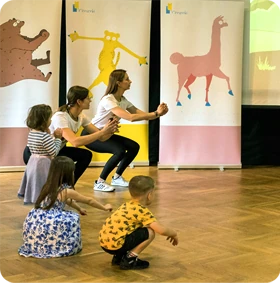
Movement patterns
These constitute the alphabet of movement, which, when learned early in life and cultivated in later stages of development, will help ensure the health of the whole body, prevent injuries, prepare for regular training, and ultimately prevent lifestyle diseases.
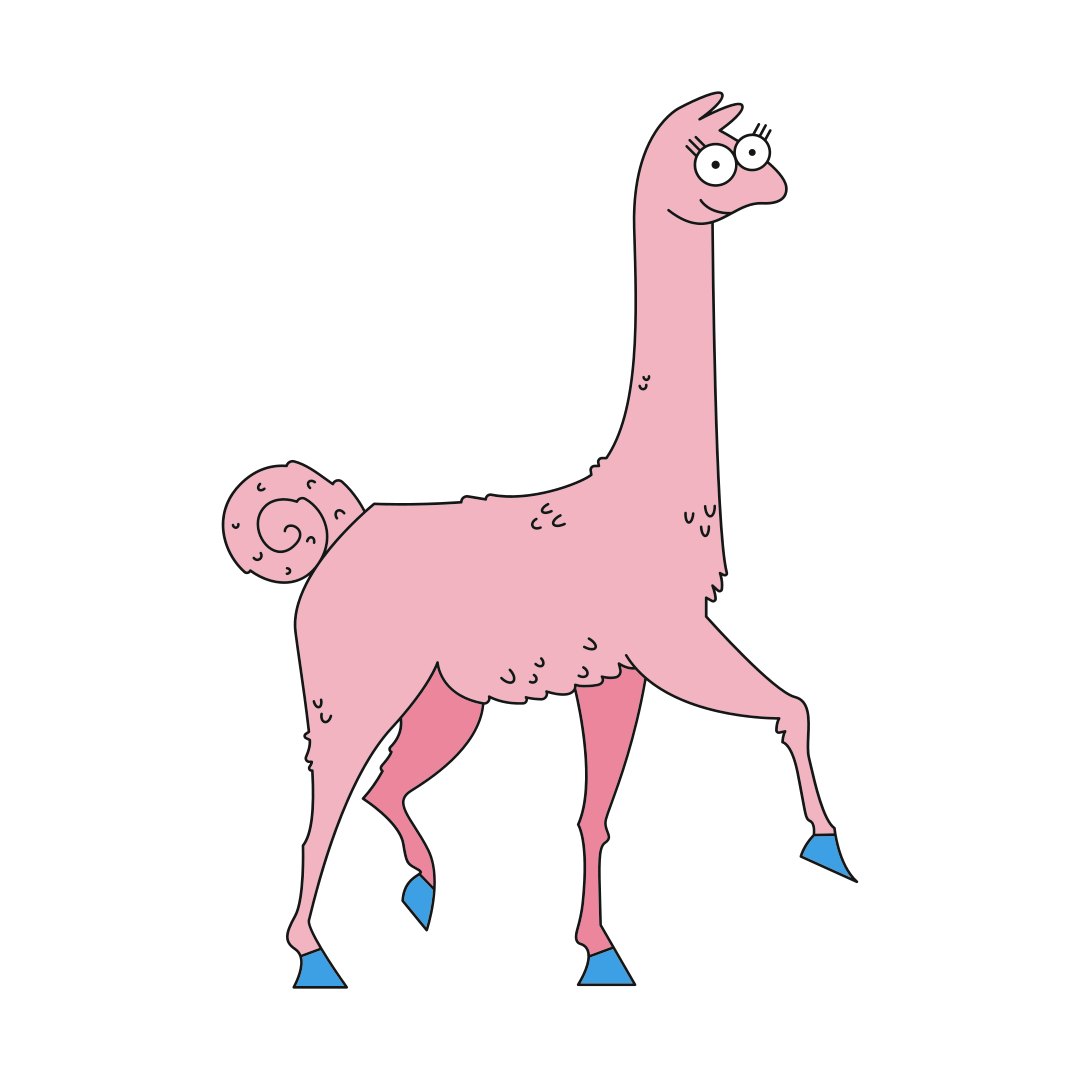
Llama
She walks with the grace of the queen Llama – a top model.
Gait Pattern
Walking is the basic motor pattern achieved by a child at around 1 year of age.
The child attempts to move faster at around 1.5 years of age, which initially often results in sudden loss of balance and falling. A more advanced variant of walking is running, which is characterised by a flight phase, when both of the runner's feet lose contact with the ground. Sports disciplines based on the walking pattern include athletics, football, cross-country skiing and trekking.
- Rhythmic, springy steps
- Stable pelvis and torso
- Calm, fluid movement of the lower limbs
- Minimal tension in the shoulder girdle
- March with high knees
- March sideways
- March with something on head
- Short intervals running in place with breaks, balancing on one leg
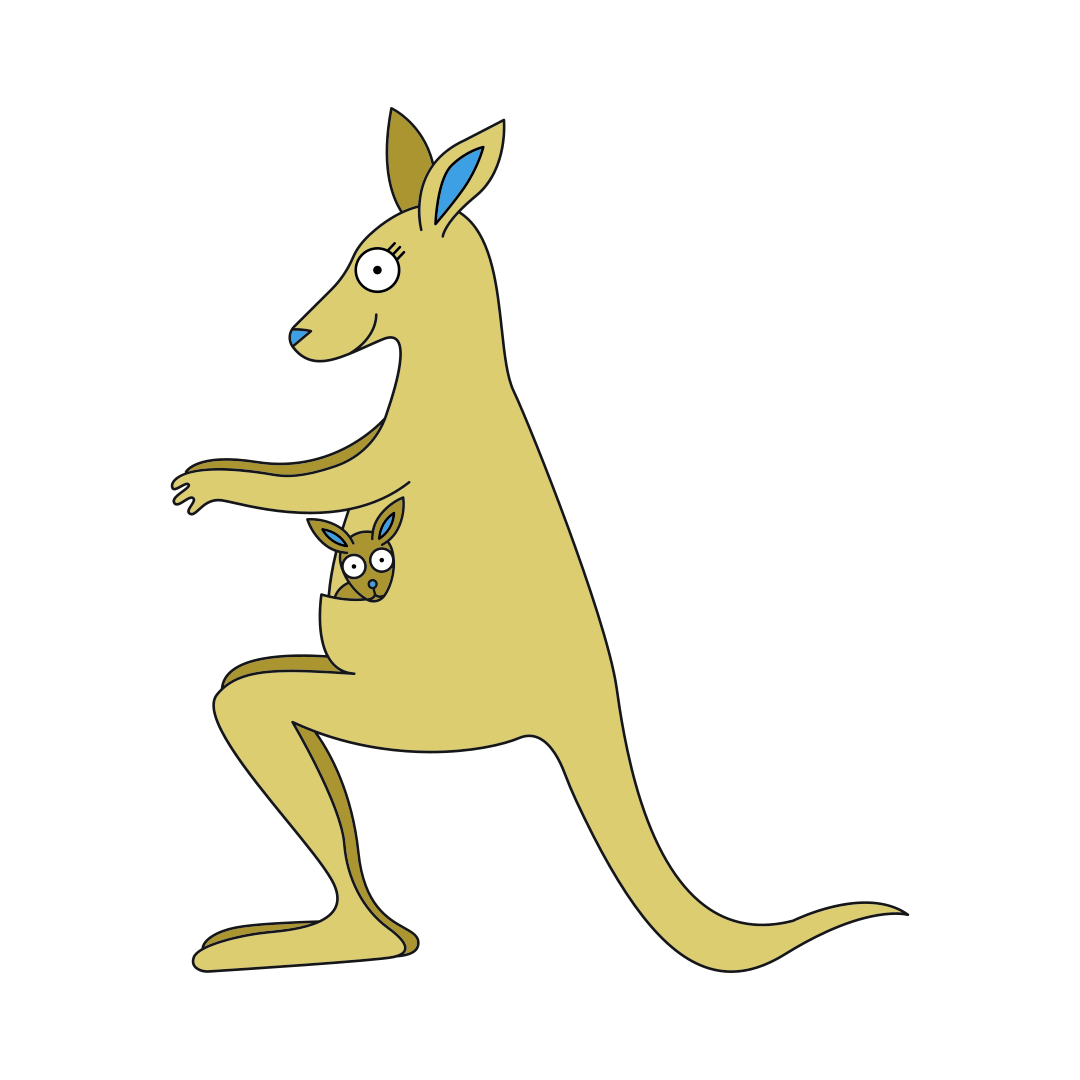
Kangaroo
It's time to listen to good advice from a kangaroo. Practice your squats!
Squat Pattern
This is a natural way of bending the hip, knee and ankle joints in order to lower the body position while maintaining control, stability and balance.
Deep squats can be seen as early as around 12 months of age, when children spend time playing in a deep squat position. Correct squatting is the basis for jumping and landing. Squatting engages not only the muscles of the lower limbs, but also the muscles responsible for stabilising the torso, making it one of the most comprehensive exercises allowing you to maintain proper muscle strength and proper range of motion in individual joints. Sports disciplines based on the squat pattern include volleyball, horse riding, skiing and martial arts.
- Active hips – initiating the movement from the hips, not the knees
- Neutral spine – no flexion or hyperextension in the lumbar region
- Knees in line with the feet
- Stable feet – body weight evenly distributed
- Assisted sitting with partner
- Standard squat
- Jump squat
- Squat with broad jump
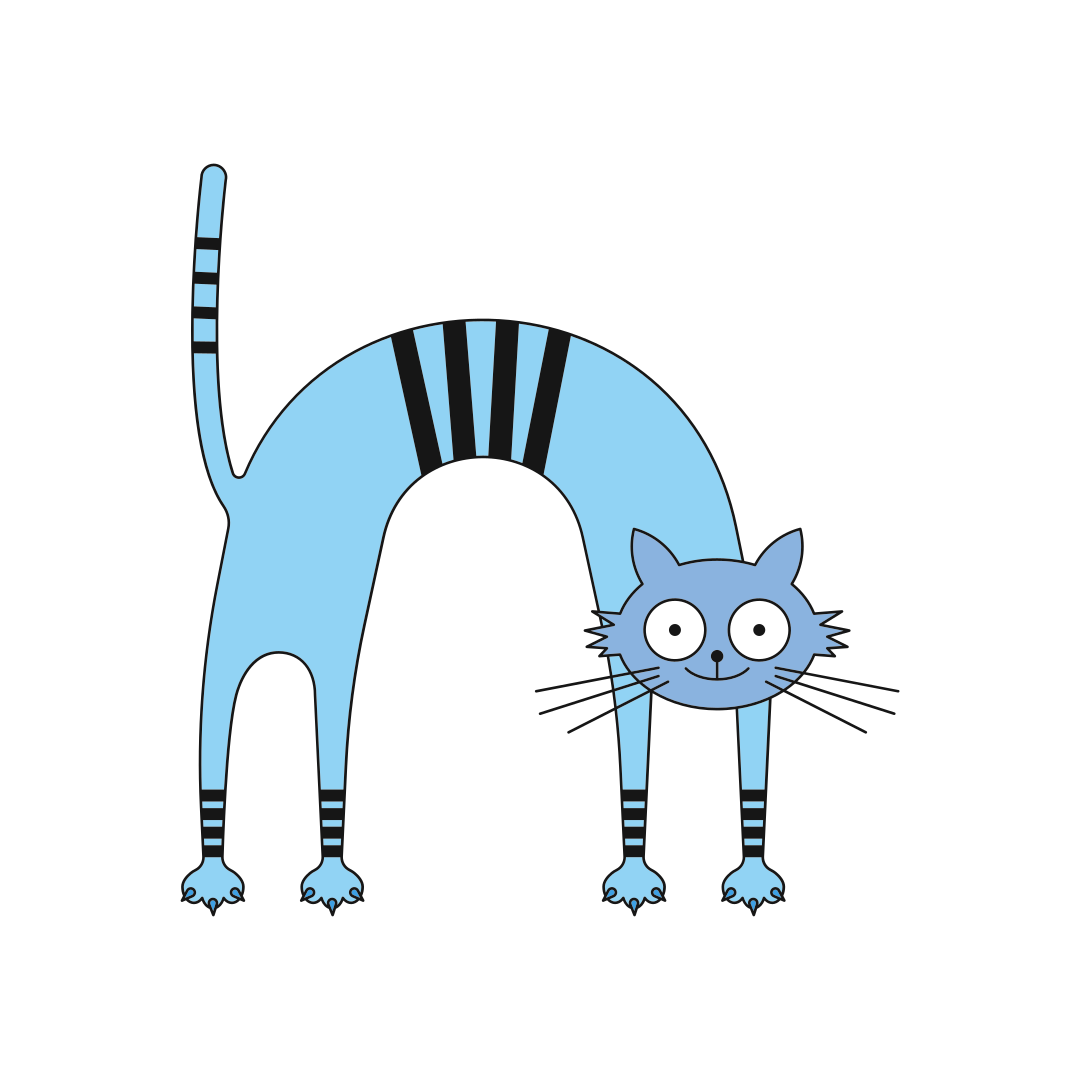
Cat
The little cat was healthy and didn't lie in his little bed, for whenever he could, he arched his torso into a curve.
Trunk flexion pattern
This is a movement in which there is controlled flexion in the lumbar-thoracic spine and hips – as when bending down to pick something up from the ground.
The flexibility of the posterior myofascial band (including the muscles located in the posterior part of the lower limbs, the back muscles, the tendon sheath) determines the range of torso flexion. Sports disciplines based on the torso flexion pattern include: artistic gymnastics, acrobatics, martial arts, judo.
- engagement of the abdominal muscles
- bending the torso without rounding the back
- movement initiated from the hips
- active gluteal and hamstring muscles
- Cat stretch
- Cradlew
- Half backward roll
- Starting with kneel, keeping hands on the floor, and straightening legs
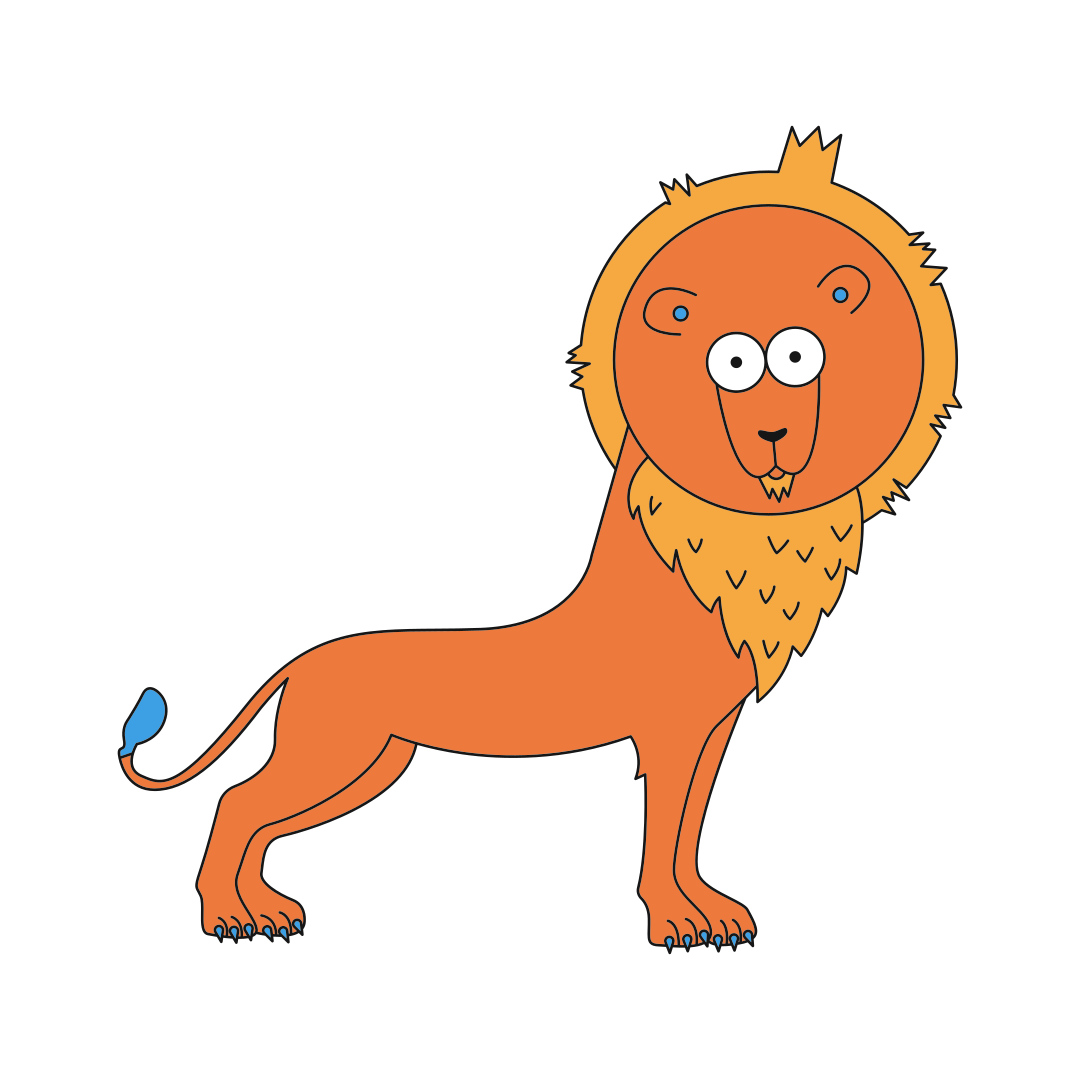
Lion
Look! Here is the Lion King. He doesn't know what back pain is because he straightens his torso all the time. That's why he has so much strength.
Straightening back pattern
These are active extensions of the hips and spine, i.e. the movement of ‘straightening up’ from a bent or squatting position – important for stabilising posture.
The extension pattern is already noticeable at 6 months of age, when the child supports itself on its straight arms. Thanks to exercises such as bridges, we primarily activate the gluteal muscles, which are not only one of the most important anti-gravity muscles enabling us to maintain an upright posture, but also play an important role in preventing injuries to the spine and knee joints. Sports disciplines based on the pattern of torso extension include artistic gymnastics, acrobatics.
- strong work of the glutes and back extensor muscles
- opening of the chest
- extension of the body line from head to feet
- no hyperextension in the lumbar region
- Extended trunk in sitting position
- Extended trunk with something on head
- Crab sit
- Backward arch
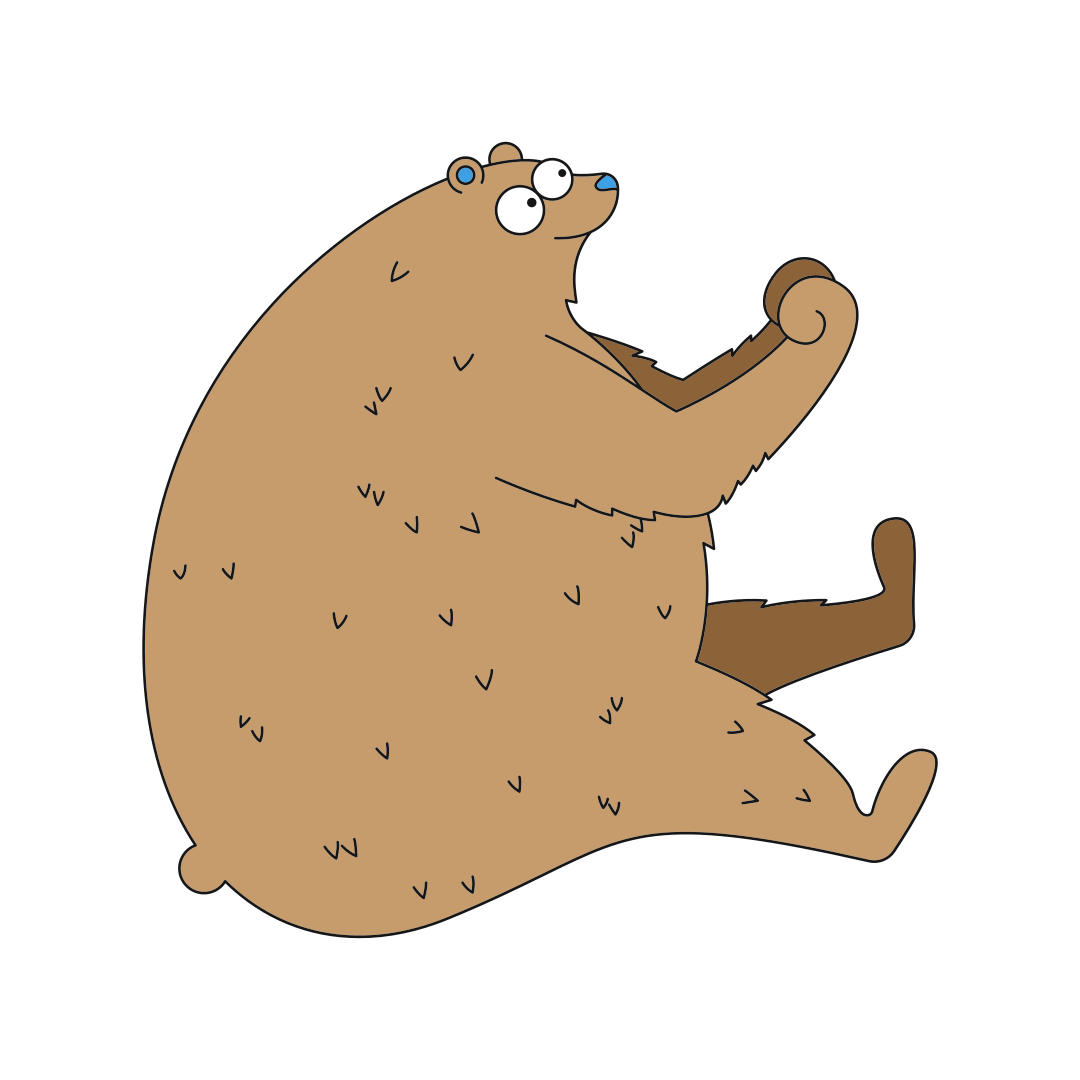
Bear
Once, a little bear was afraid to go into the forest, but he got rid of his fear during a pulling training session.
Rowing pattern
This is a movement of bringing weight or body closer to oneself – e.g. pulling up, rowing. It mainly engages the back and arm muscles.
Children begin to display the pulling pattern between 7 and 10 months of age, when they start to move around by crawling or walking on all fours. It is also possible for an infant to achieve an upright posture at around 11-12 months of age by pulling themselves up, e.g. with the help of furniture or walls. Sports disciplines based on the pulling pattern: canoeing, mountain climbing.
- Shoulder blades pulled back and down
- Elbows close to the body
- Active back muscles
- Stable torso
- Lift ball from ground
- Diagonal pull
- Sitting pull (on ground)
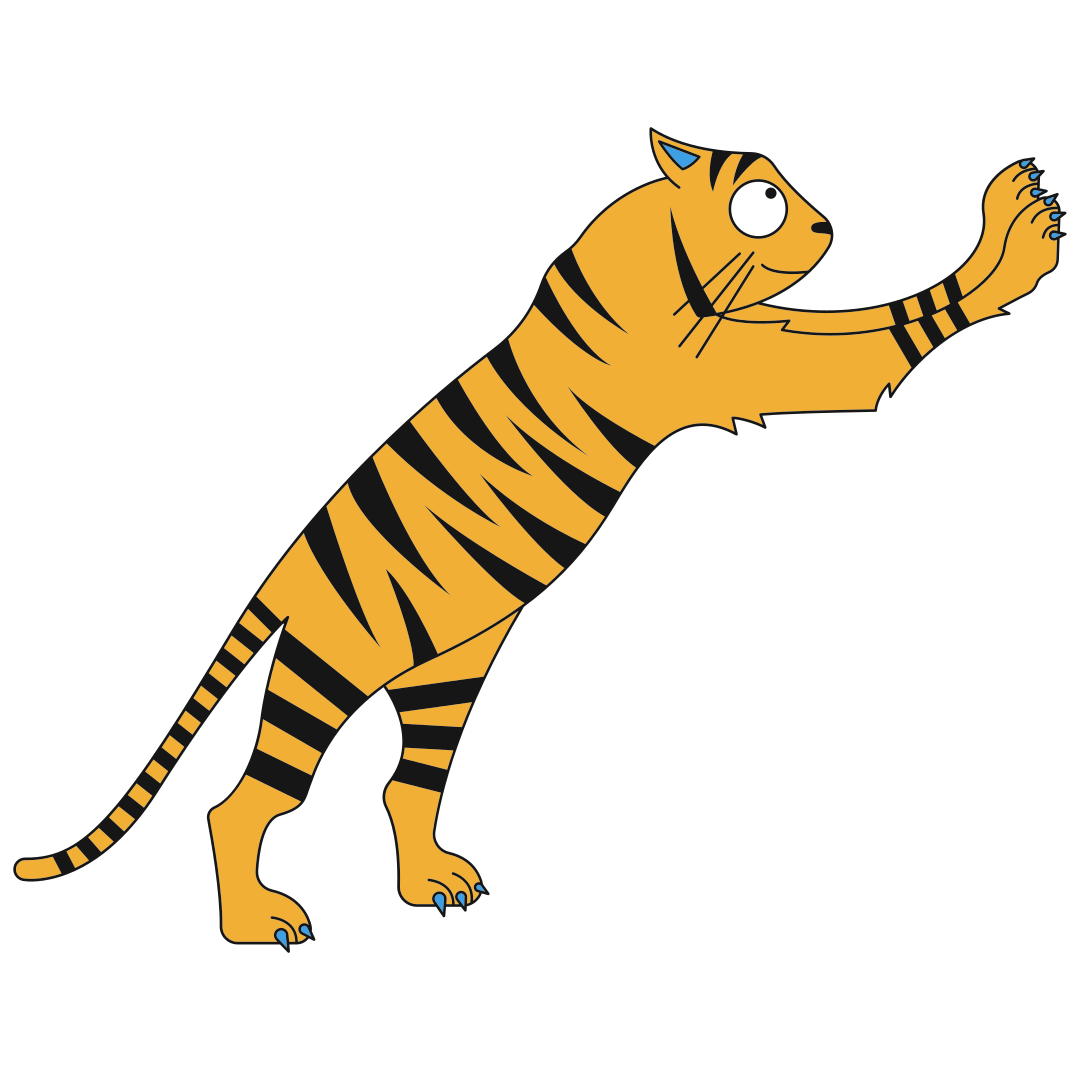
Tiger
The little striped tiger is doing well because he's always pushing something forward.
Pushing pattern
This is a movement that involves pushing weight or the body away from oneself – e.g. push-ups, bench presses. It engages the chest, shoulder and triceps muscles.
The pushing pattern can be observed just before crawling begins, when the child, due to its lack of coordination, pushes off the ground and moves backwards, performing what is known as crawling. Exercises in the pushing pattern with external load engage not only the muscles of the shoulder girdle and upper limbs, but also the muscles of the abdomen, hip girdle and lower limbs, making them one of the most comprehensive motor tasks.
- stable trunk,
- controlled movement in the elbow and shoulder joints
- shoulder blades move freely (not locked)
- active core work
- Raising object above head
- Pushing against partner with equal force (in place)
- Push-ups with elevated feet / Decline push-ups
- Plank and Side-plank
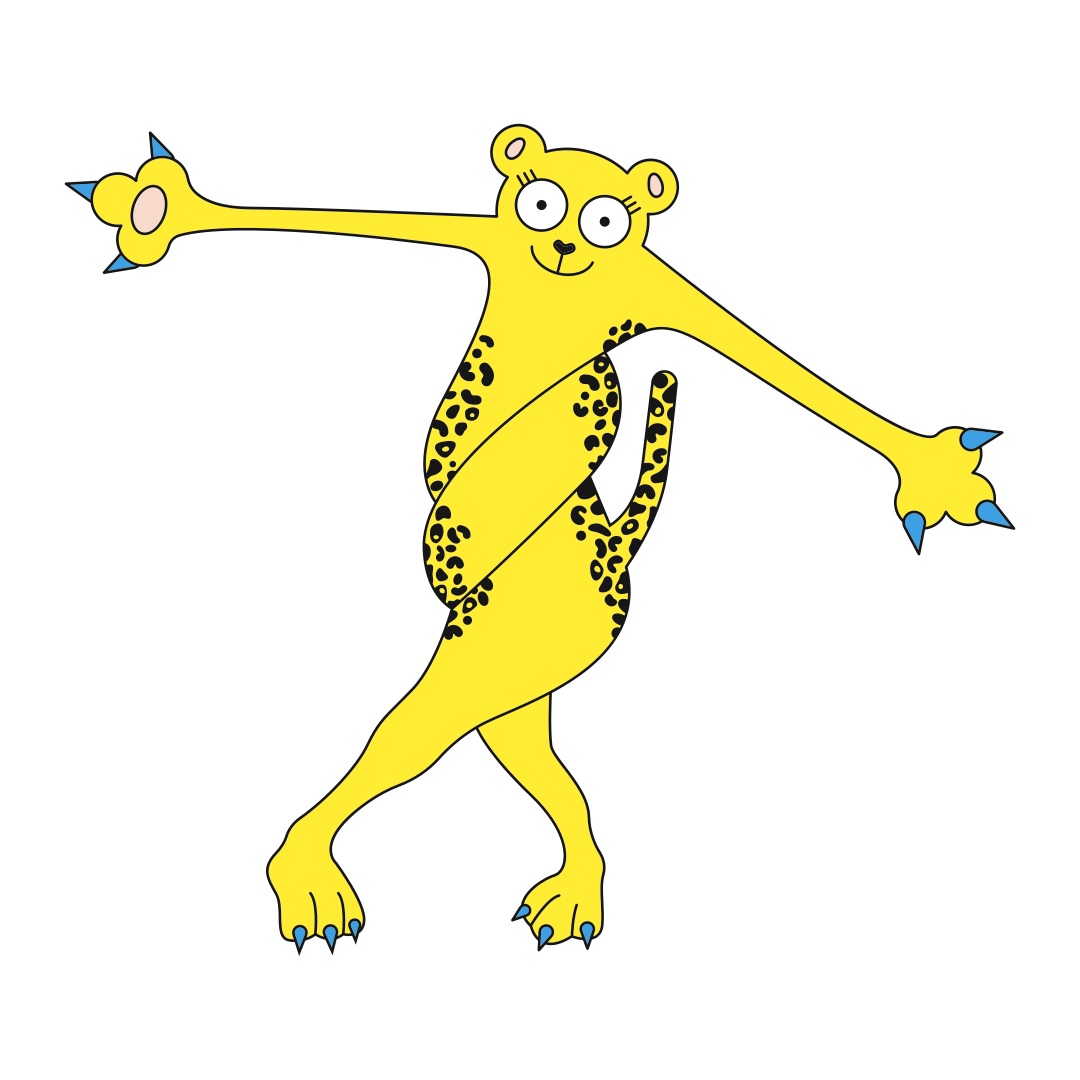
Panther
Like a perfect panther, practice body twists every day.
Rotation pattern
Rotational movements of the trunk are performed thanks to the existence of articular connections of the spine and ribs, as well as in peripheral joints.
Each joint has its maximum range of motion, which contributes to determining the total range of trunk rotation. The ability to rotate the spine is limited in the thoracic part due to the numerous connections of the ribs with the sternum, while it is the greatest in the lumbar and cervical sections.
- Active work of the oblique abdominal muscles
- Stable pelvis while the upper body moves
- Controlled movement—no jerking
- Rotation comes from the trunk, not just the shoulders.
- Spinal twist in cross-legged sitting position
- Spinal twist in cross-legged sitting position with partner
- Standing forward bend (cross-body)
- Kneel on one knee, rotating to both sides